
Music, Mood, and Emotional Intelligence at Professional Events
Every event has an emotional rhythm. Music plays a central role in shaping that rhythm, influencing how people interact, listen, and move through a space. Emotional intelligence in music programming is the ability to recognize and respond to those cues in real time.
Professional event sound isn’t about showcasing taste or volume—it’s about awareness. Music should adapt as the room changes, supporting moments of focus, conversation, or celebration without becoming intrusive. This sensitivity separates live programming from static playlists.
At corporate and non-profit events, emotional intelligence often means restraint. Allowing space for dialogue, speeches, and connection requires confidence and discipline. Music should enhance comfort, not compete for attention.
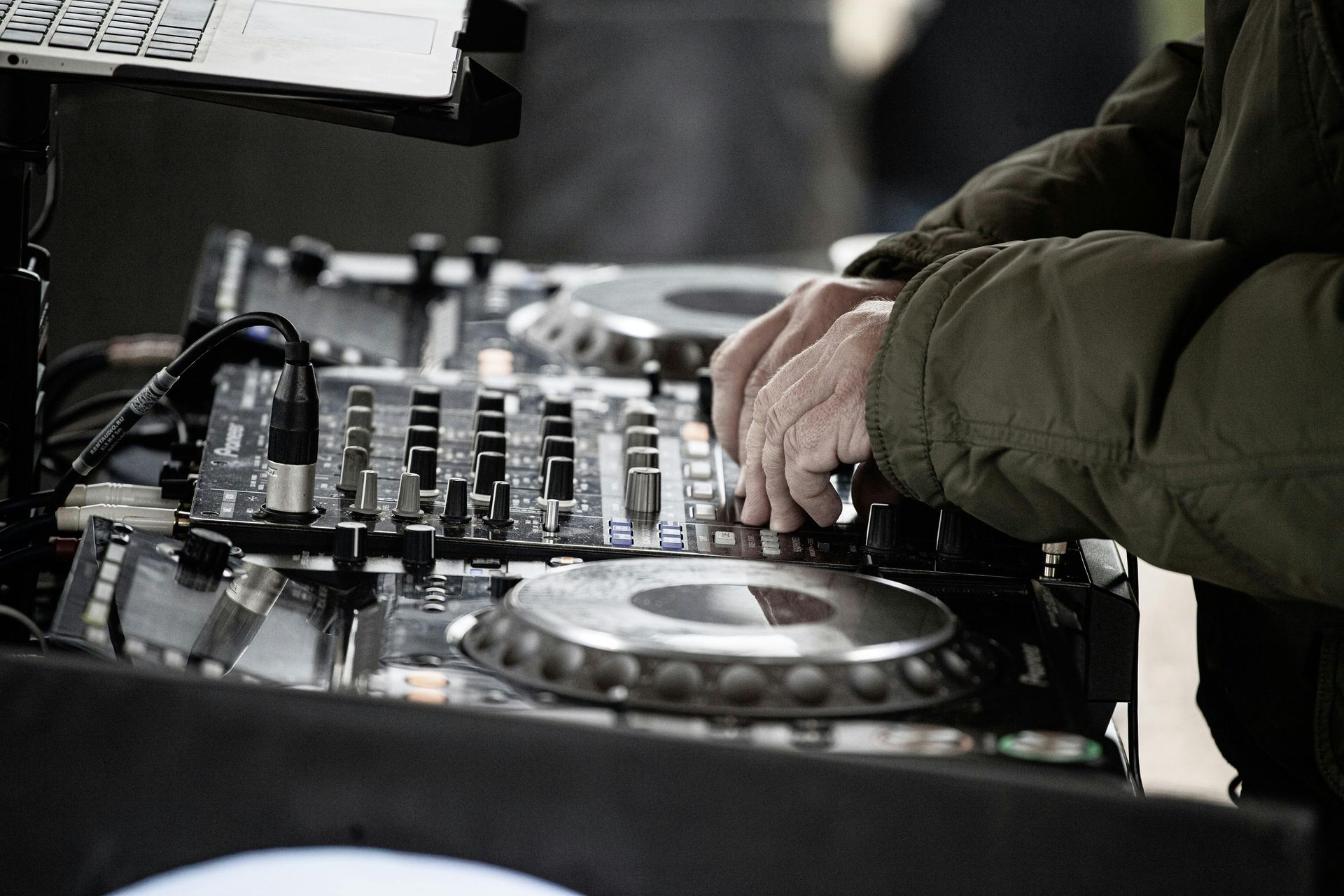
Experienced DJs develop this awareness through years of listening, performing, and producing music in varied environments. Touring and studio work sharpen the ability to read energy shifts and adjust pacing subtly and effectively.
When music is emotionally intelligent, it creates cohesion. Guests remain present, programming lands clearly, and the overall experience feels thoughtful rather than forced.
What is emotional intelligence in music?
It’s the ability to read the room and adjust tone, pacing, and energy accordingly.
Should music be noticeable at events?
Ideally, it should be felt more than noticed.
Can DJs adapt in real time?
Experienced professionals do—this is a key difference between playlists and live programming.